
Customer experience increasingly defines how brands are judged.
In markets where products and pricing are often similar, experience becomes the key differentiator that shapes perception, loyalty and advocacy. It is no longer a supporting consideration. It is a core growth strategy.
Experience encompasses every interaction a customer has with a brand. This includes digital platforms, sales conversations, onboarding processes, customer support and follow-up communication. Each moment contributes to an overall impression, whether positive or negative.
Many organisations focus heavily on acquisition, investing in traffic and lead generation while overlooking what happens next. When experiences feel confusing, inconsistent or frustrating, conversion rates suffer and long-term value declines. The cost of acquiring customers increases while retention weakens.
Strong customer experience removes friction.
Clear messaging, intuitive journeys and responsive support make it easier for people to take action and feel confident in their decisions. These improvements often deliver measurable impact without increasing marketing spend.
Experience design requires collaboration across teams. Marketing, sales, digital and customer service must work together to identify gaps and inconsistencies. Optimising a website alone is rarely enough if offline processes undermine trust or clarity.
From an agency perspective, experience must be viewed holistically. Digital platforms act as connectors, but experience is shaped just as much by human interaction and operational efficiency. Brands that recognise this create journeys that feel joined-up rather than fragmented.
Investing in customer experience delivers long-term return. Customers stay longer, recommend more often and require less persuasion. Growth becomes more sustainable because it is built on trust rather than volume alone.
Speak to Clevercherry about designing customer experiences that convert, retain and support long-term growth.
Return to blogMore from the blog
 16th June 2026
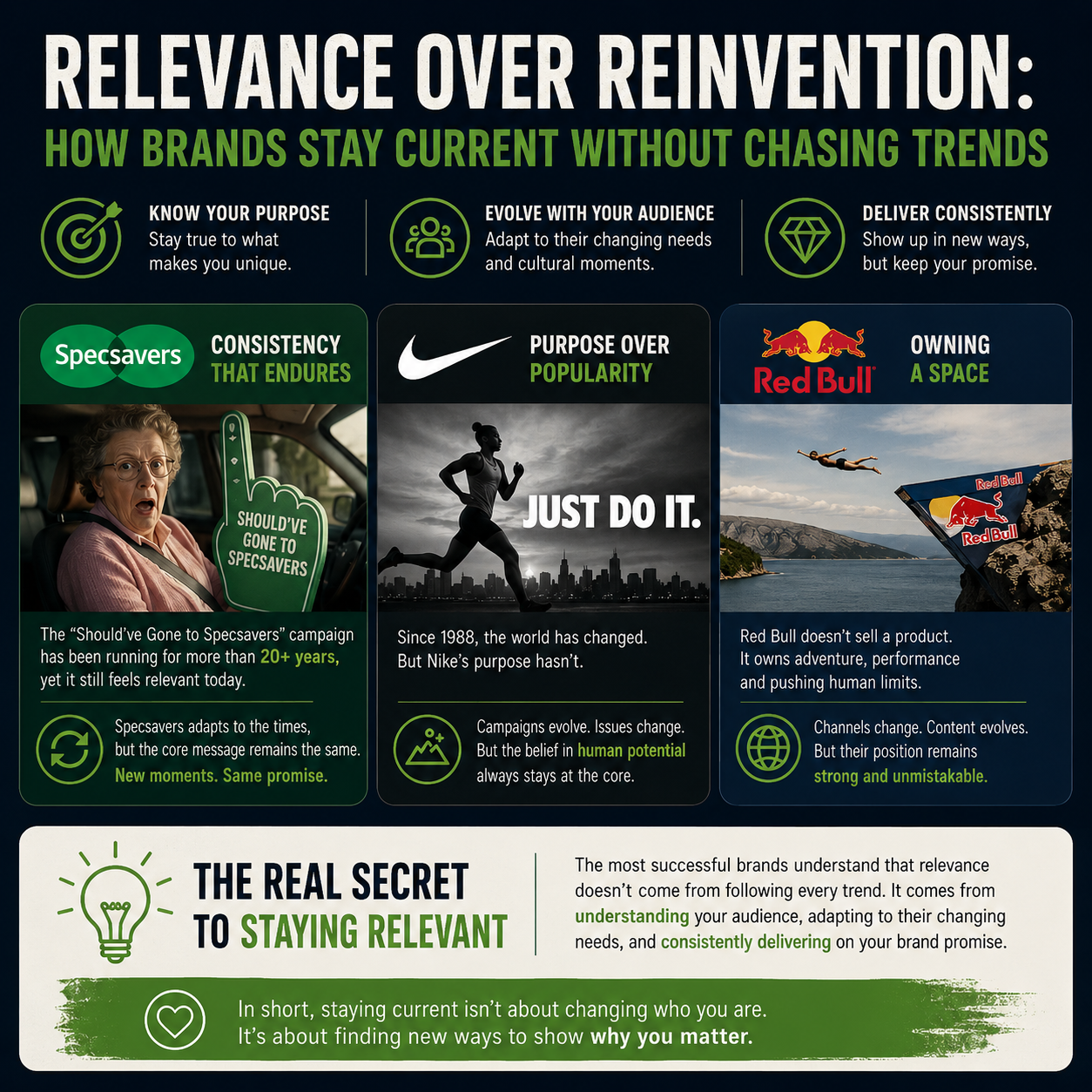
Relevance Over Reinvention: How Brands Stay Current Without Chasing Trends
 21st May 2026
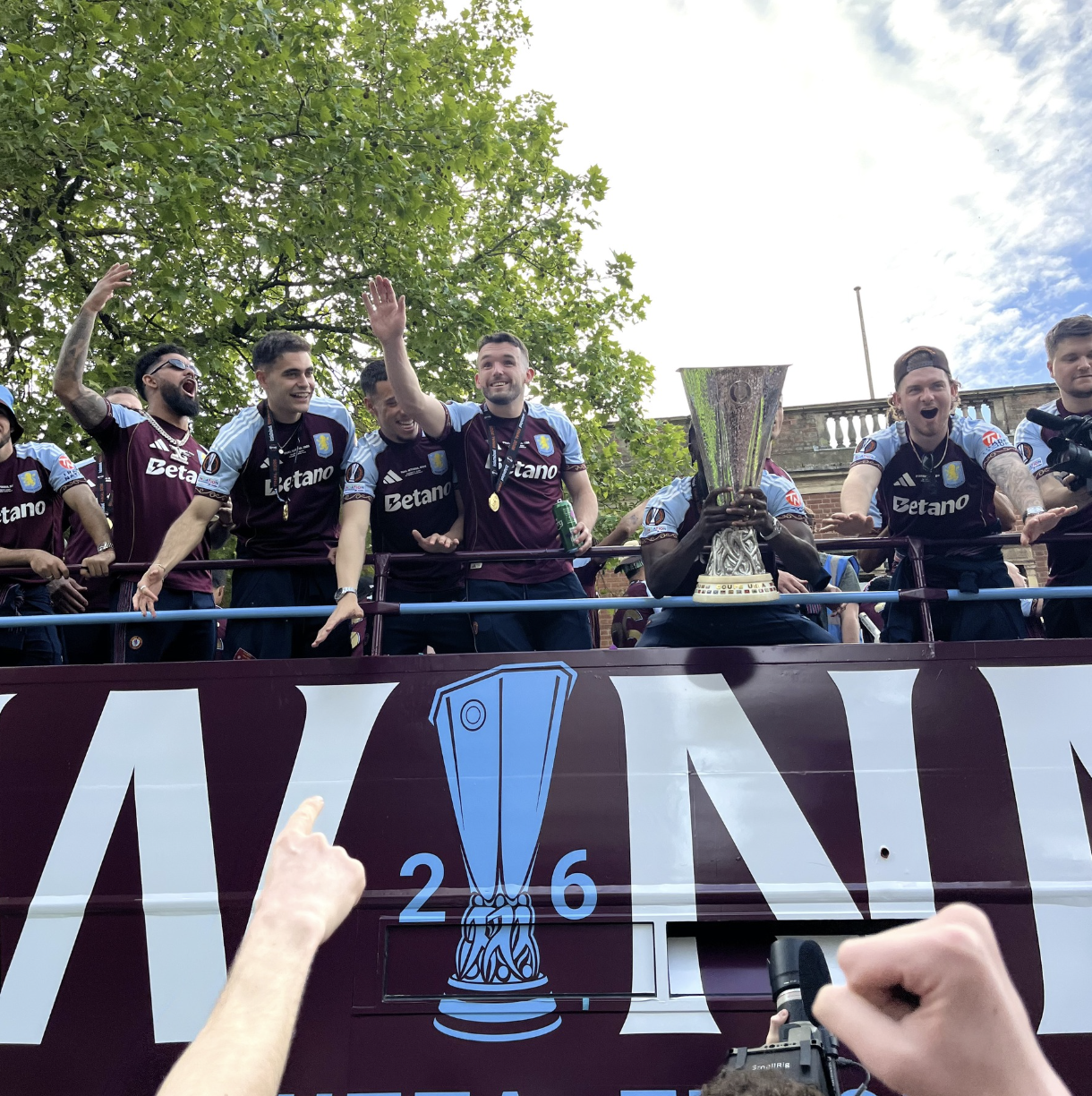
Birmingham Comes Alive for Villa’s Historic Europa League Victory
 20th April 2026
We’re Seeing a New Type of Phishing Enquiry Targeting WordPress Sites
 30th March 2026