
Marketing decisions are often made under pressure.
Deadlines, budget cycles and performance targets can push teams towards instinct-led choices that feel right but lack evidence. Insight-led marketing offers a more reliable alternative, replacing assumption with understanding and confidence.
Insight is not the same as data.
While data provides volume and measurement, insight comes from interpretation. It explains why users behave as they do, what motivates decisions and where friction appears across journeys. This distinction is critical. Businesses with access to data but no insight still struggle to act decisively.
Insight-led marketing begins by connecting signals.
Campaign performance, user behaviour, sales outcomes and customer feedback all contribute to a clearer picture when viewed together. Patterns emerge that individual metrics often hide, highlighting opportunities and risks earlier.
This approach improves efficiency. Rather than spreading investment thinly across channels or tactics, insight helps prioritise activity that delivers real value. Underperforming initiatives are identified sooner, while successful approaches are refined and scaled with confidence.
Insight also supports alignment.
Teams share a common understanding of goals, challenges and rationale. Decisions become easier to justify internally, and execution becomes more consistent across channels and platforms.
For agencies, insight-led marketing strengthens partnership. Recommendations are grounded in evidence rather than opinion, building trust and momentum. Strategy evolves through learning rather than reaction.
Ultimately, insight-led marketing does not remove creativity or ambition. It provides a stronger foundation for both, ensuring progress is intentional rather than experimental.
Get in touch with Clevercherry to build insight-led marketing strategies that reduce risk and drive consistent growth.
Return to blogMore from the blog
 16th June 2026
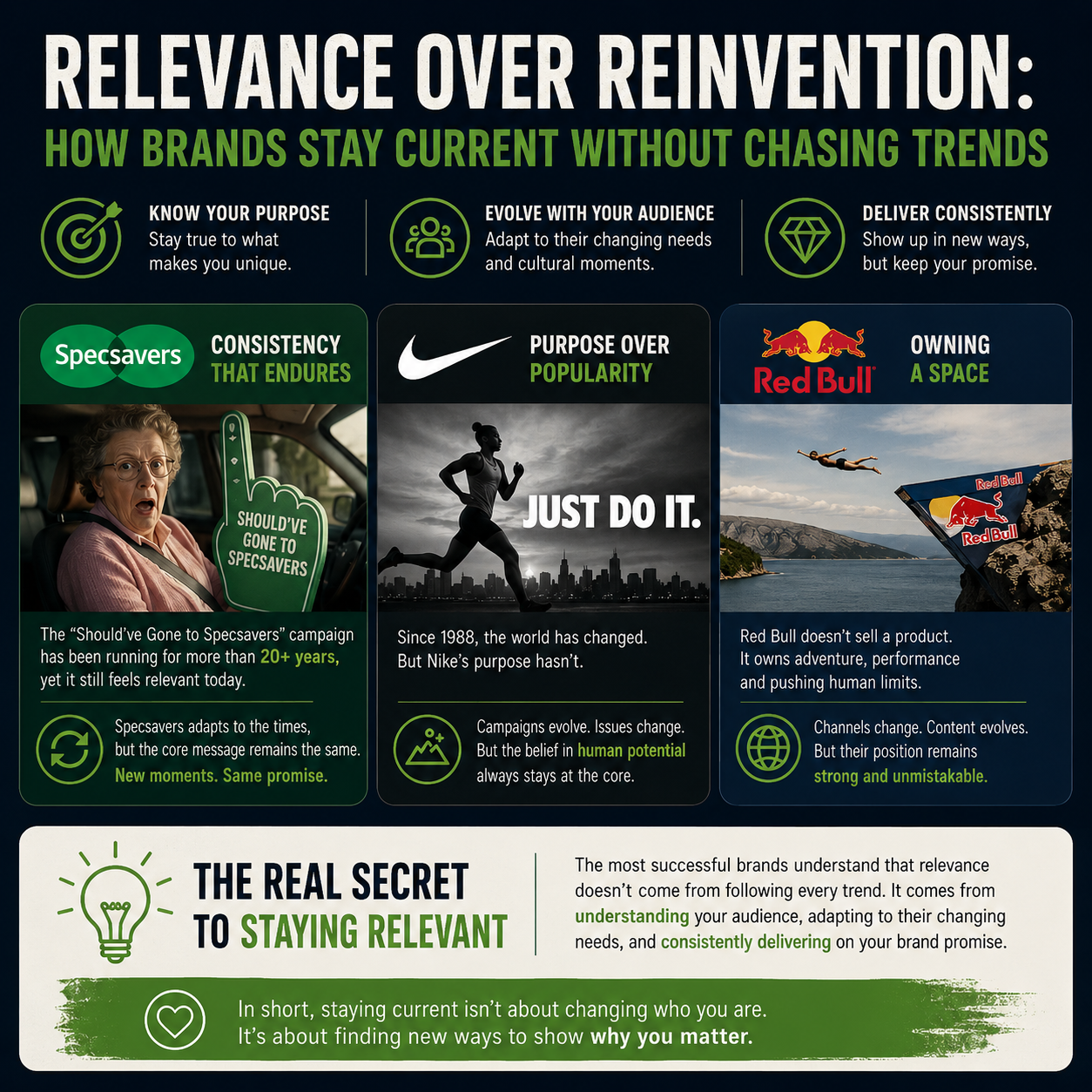
Relevance Over Reinvention: How Brands Stay Current Without Chasing Trends
 21st May 2026
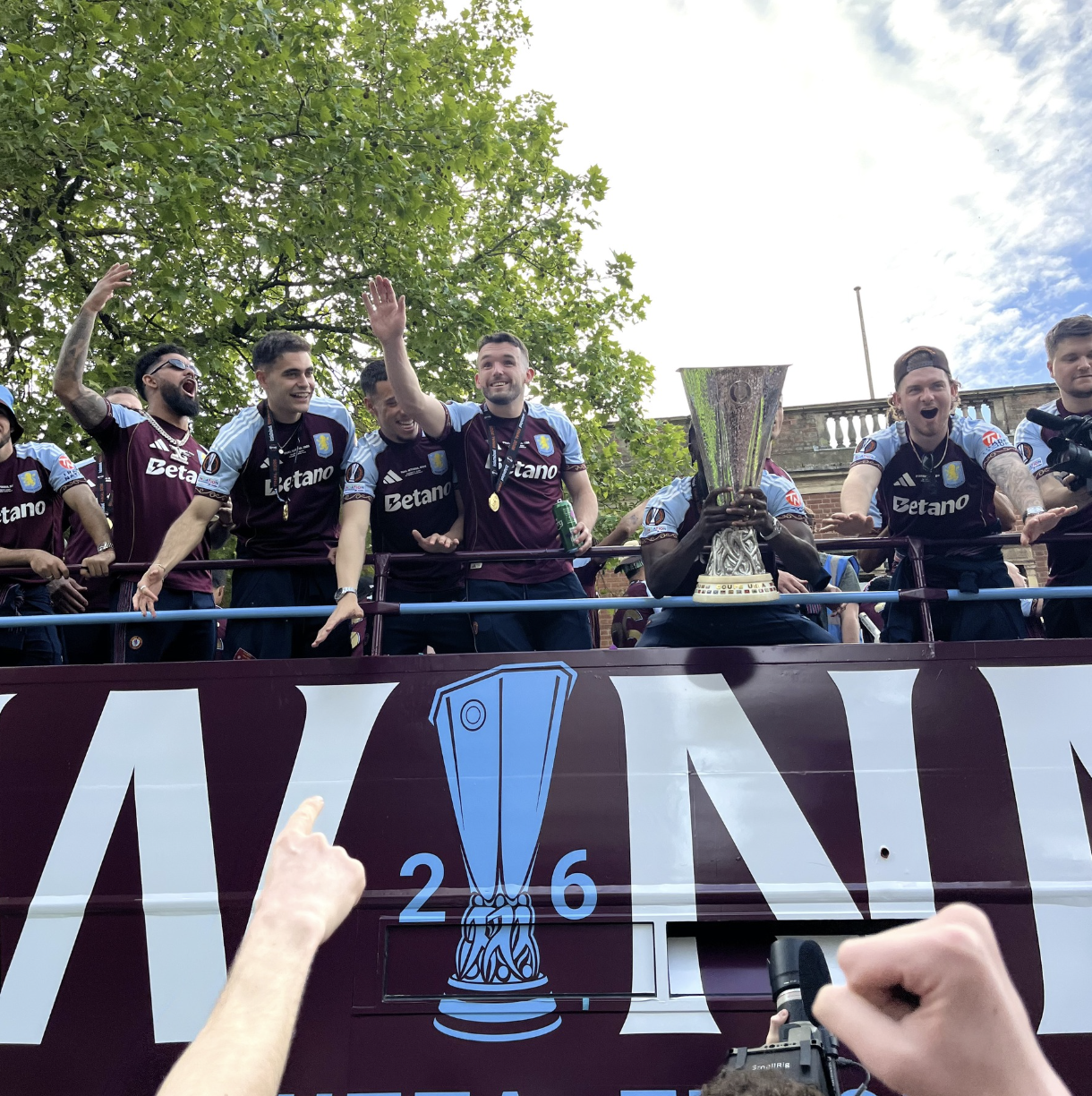
Birmingham Comes Alive for Villa’s Historic Europa League Victory
 20th April 2026
We’re Seeing a New Type of Phishing Enquiry Targeting WordPress Sites
 30th March 2026