
As marketing ecosystems grow more complex, businesses increasingly look for partners who can see the full picture. Fragmented agency models often struggle to deliver consistency, speed and clarity when multiple suppliers operate in isolation.
Integrated agencies bring strategy, creative, digital and technology together under a single approach. This alignment reduces friction and ensures decisions are made with a clear understanding of how each element affects the others.
When teams work in silos, gaps appear. Strategy becomes disconnected from execution, creative ideas lose impact in delivery, and technical decisions fail to support long-term goals. Integration addresses these challenges by creating shared accountability.
An integrated model also improves efficiency. Fewer handovers mean faster decision-making and clearer ownership. Teams collaborate earlier, identify risks sooner and avoid duplication of effort.
For clients, this translates into consistency.
Messaging aligns across channels, platforms are designed with real use cases in mind, and campaigns feel joined-up rather than fragmented.
Integration does not mean losing specialism. It means applying expertise within a shared framework that supports the wider business objective. Agencies that work this way become long-term partners rather than short-term suppliers.
As expectations rise, integrated thinking becomes less of a differentiator and more of a necessity for delivering meaningful results.
Speak to Clevercherry about integrated agency support that simplifies complexity and delivers stronger outcomes.
Return to blogMore from the blog
 16th June 2026
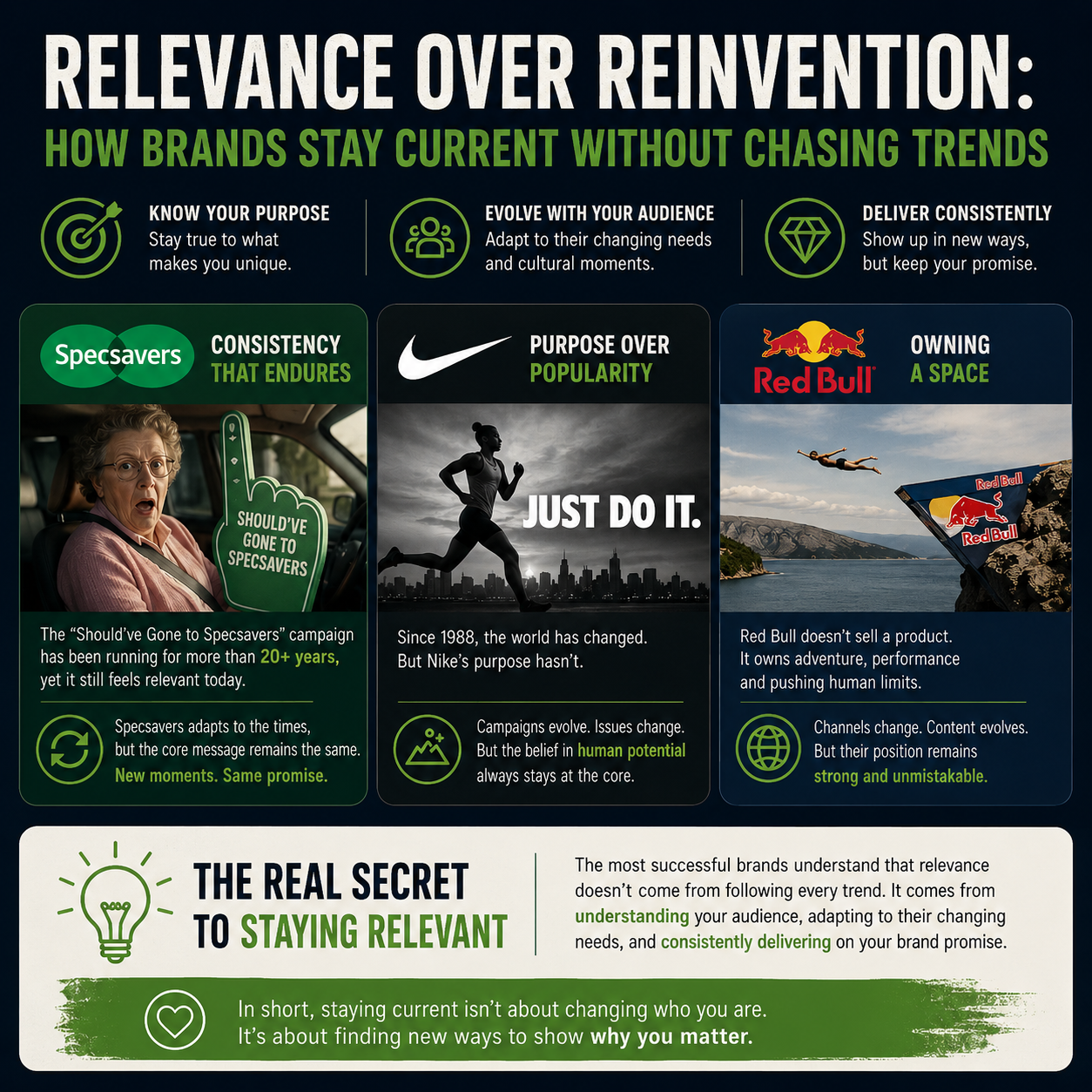
Relevance Over Reinvention: How Brands Stay Current Without Chasing Trends
 21st May 2026
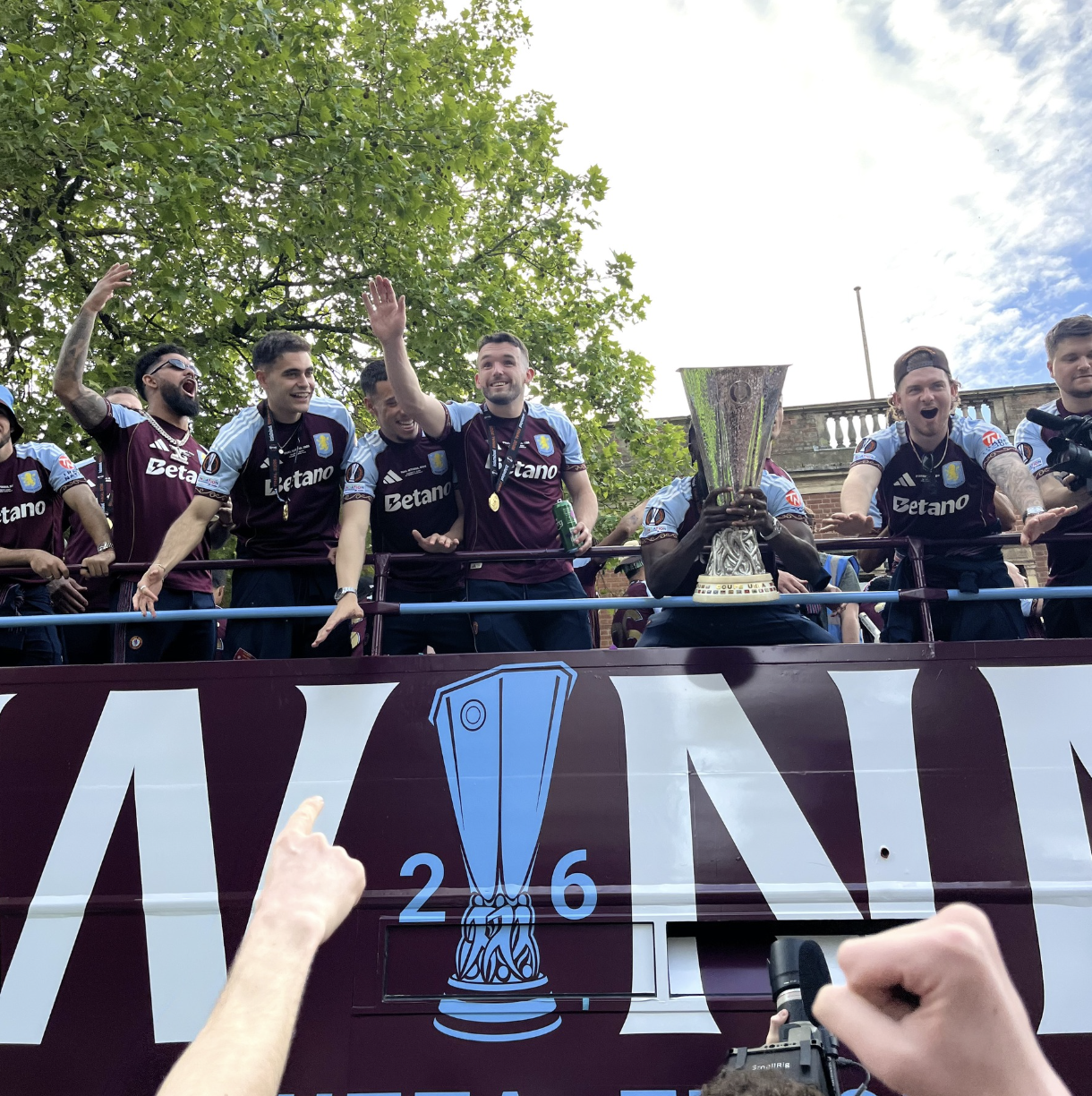
Birmingham Comes Alive for Villa’s Historic Europa League Victory
 20th April 2026
We’re Seeing a New Type of Phishing Enquiry Targeting WordPress Sites
 30th March 2026