
Building Digital Platforms That Support Growth, Not Just Launches
Over the past few years, many organisations have shifted their focus away from simply launching websites and towards building digital platforms that can support long-term business growth.
A successful launch is important, but it should never be viewed as the final objective. The most effective digital platforms are designed to evolve continuously, adapting to user behaviour, business priorities, and future operational requirements over time.
This is where scalable website development and long-term digital platform strategy become increasingly important.
Platforms that are built with scalability, maintainability, and performance in mind are far better positioned to support sustainable growth without requiring repeated redevelopment or disruptive rebuilds.
Launch Is the Starting Point, Not the Final Destination
For many businesses, launching a website is often treated as the final milestone in a project lifecycle. Once the site goes live, the project is considered complete and attention moves elsewhere.
In reality, launch is only the beginning.
Digital platforms that deliver long-term value are not static products. They are evolving systems that need to continuously improve alongside changing customer expectations, internal business processes, and technological advancements.
This shift in mindset is one of the key differences between platforms that stagnate and those that continue to generate measurable business value over time.
Rather than asking whether a platform is finished, businesses should instead focus on how the platform can continue improving month after month.
This approach creates opportunities for:
- Ongoing website performance optimisation
- Improved user experience and conversion rates
- Better operational efficiency
- Increased scalability and flexibility
- More effective integration with business systems
A launch should establish strong foundations, not define the limits of future growth.
Building the Right Foundations for Long-Term Growth
Long-term scalability begins with strong technical foundations.
A platform should be designed to support future development without creating unnecessary complexity or technical limitations. Whether a business needs to introduce new functionality, integrate third-party systems, expand content structures, or support increased traffic volumes, the platform should make those changes manageable rather than disruptive.
This is a core part of digital scalable website development.
Poorly structured systems often create technical debt that becomes increasingly expensive and time-consuming to manage. While short-term compromises may help accelerate launch timelines, they can introduce long-term maintenance issues that slow future progress and reduce platform flexibility.
Building for maintainability from the beginning allows businesses to:
- Introduce new features more efficiently
- Improve workflows without major redevelopment
- Reduce long-term development costs
- Improve reliability and performance
- Adapt more easily as business requirements evolve
A scalable digital platform is not simply one that can handle more traffic. It is a platform that can evolve without friction.
Using Data and Insight to Drive Continuous Improvement
Growth-focused organisations rely on data to guide platform decisions rather than assumptions alone.
Understanding how users interact with a platform provides valuable insight into what is working well and where improvements may be needed. Behavioural analytics, conversion tracking, and user engagement metrics all contribute to more informed decision-making.
This allows businesses to move towards continuous website performance optimisation based on measurable outcomes rather than guesswork.
Even relatively small improvements can have a significant cumulative impact over time.
Examples may include:
- Refining navigation structures
- Improving calls to action
- Simplifying user journeys
- Optimising mobile usability
- Improving page speed and accessibility
- Adjusting layouts based on engagement patterns
Over time, this creates an ongoing optimisation cycle:
Analyse Platform Performance
Review how users interact with the platform through analytics, behaviour tracking, and conversion data.
Identify Areas for Improvement
Use insights to uncover friction points, content gaps, or technical issues that may affect user experience or performance.
Implement and Measure Changes
Make targeted improvements, then monitor results to understand their impact and guide future optimisation work.
This process helps platforms evolve in response to real user behaviour while supporting broader business goals.
Creating a Platform That Evolves With Users
User expectations continue to change rapidly, and digital experiences need to evolve alongside them.
A website that feels modern and intuitive today may feel outdated within a relatively short period if it is not regularly reviewed and improved.
The most successful digital platforms are designed with flexibility in mind from the outset. Rather than aiming for a “perfect” launch state, businesses benefit more from creating adaptable systems that can evolve continuously through incremental improvements.
Content management also plays a significant role in this process.
Internal teams should be able to:
- Update content efficiently
- Expand website sections when needed
- Improve messaging over time
- Optimise pages for SEO performance
- Respond quickly to changing priorities
Without this flexibility, even well-designed websites can become difficult to maintain and increasingly ineffective over time.
Alongside usability and content management, technical performance must remain a consistent priority.
Fast-loading pages, stable hosting infrastructure, strong security practices, and reliable uptime all directly influence:
- User trust
- Search visibility
- Conversion performance
- Customer retention
- Overall platform effectiveness
Website performance optimisation is no longer purely a technical consideration. It is a fundamental part of the overall user experience.
Planning for Growth Beyond the Initial Build
One of the most common reasons digital platforms fail to deliver long-term value is the absence of a clear post-launch strategy.
Without ongoing planning and optimisation, even well-built platforms can gradually lose momentum, become outdated, or struggle to support changing business requirements.
A strong digital platform strategy recognises that growth requires continuous investment and refinement.
This does not necessarily mean constant redevelopment projects. In many cases, the most valuable improvements come from smaller, consistent enhancements made over time.
These may include:
- Ongoing SEO improvements
- Infrastructure upgrades
- Conversion rate optimisation
- Accessibility enhancements
- Performance monitoring
- Security improvements
- User experience refinement
- Additional integrations and automation
Treating a website as a long-term digital asset rather than a completed project creates far greater opportunities for sustainable growth and return on investment.
Businesses that continuously improve their platforms are often better positioned to adapt to market changes, user expectations, and future operational demands.
Final Thoughts
Launching a website is an important milestone, but it should never be the ultimate objective.
The platforms that deliver the greatest long-term value are those built around scalability, maintainability, flexibility, and continuous improvement.
Scalable website development is about more than simply supporting future traffic growth. It is about creating digital platforms that can evolve alongside the business itself while maintaining strong performance, usability, and operational efficiency over time.
A well-planned digital platform strategy provides the foundation for continuous growth, better user experiences, and more effective long-term decision-making.
If you are looking to improve website performance optimisation, strengthen your digital platform strategy, or build a scalable website designed for long-term growth, speak to Clevercherry about creating a platform that evolves with your business.
Return to blog
More from the blog
 16th June 2026
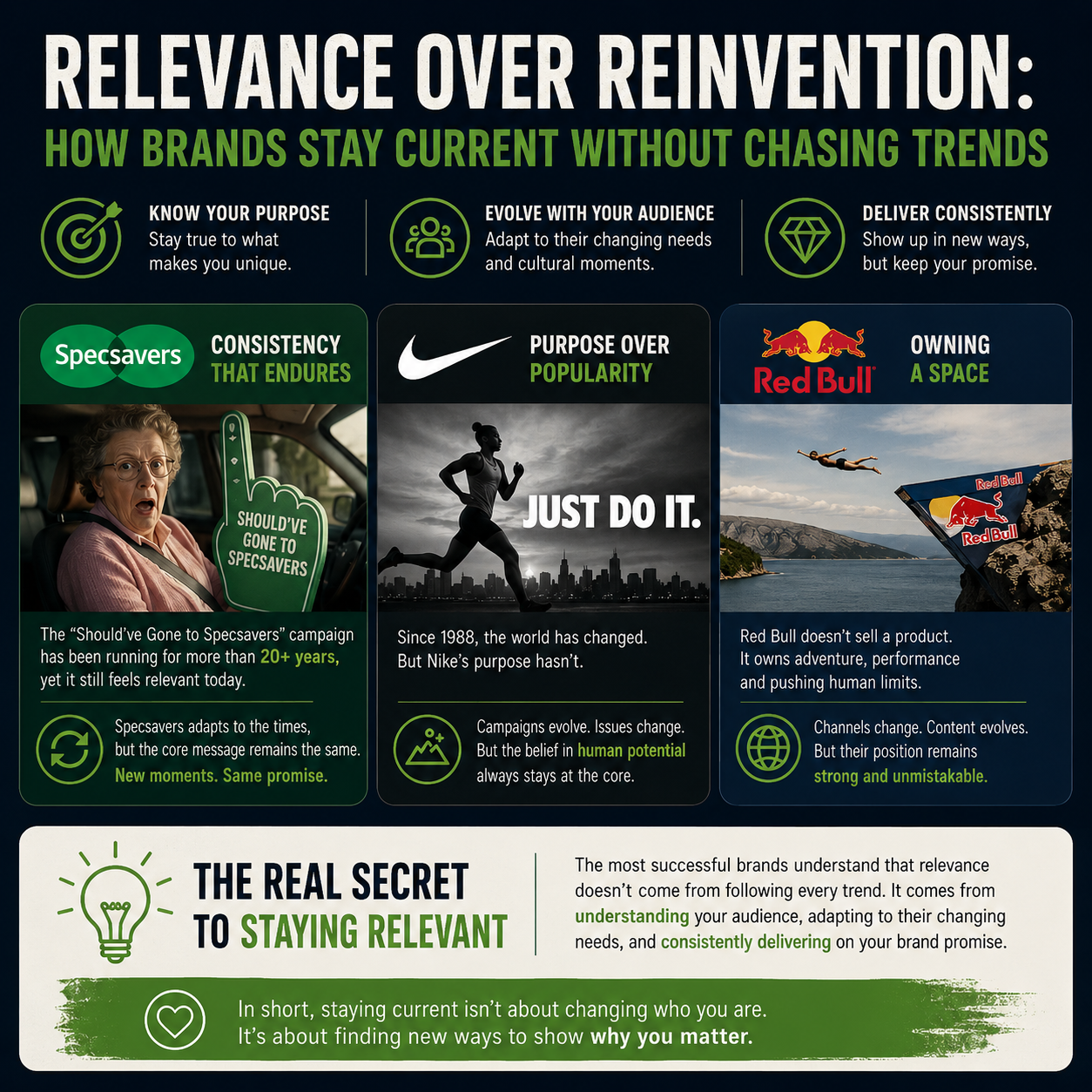
Relevance Over Reinvention: How Brands Stay Current Without Chasing Trends
 21st May 2026
Birmingham Comes Alive for Villa’s Historic Europa League Victory
 20th April 2026
We’re Seeing a New Type of Phishing Enquiry Targeting WordPress Sites
 11th March 2026