
Why Modern Marketing Leadership Looks More Like Product Thinking
Marketing leadership continues to evolve. Traditional models often revolve around campaigns, launches and fixed timelines. While these structures remain useful, they no longer reflect how value is built in an increasingly connected and data-rich environment.
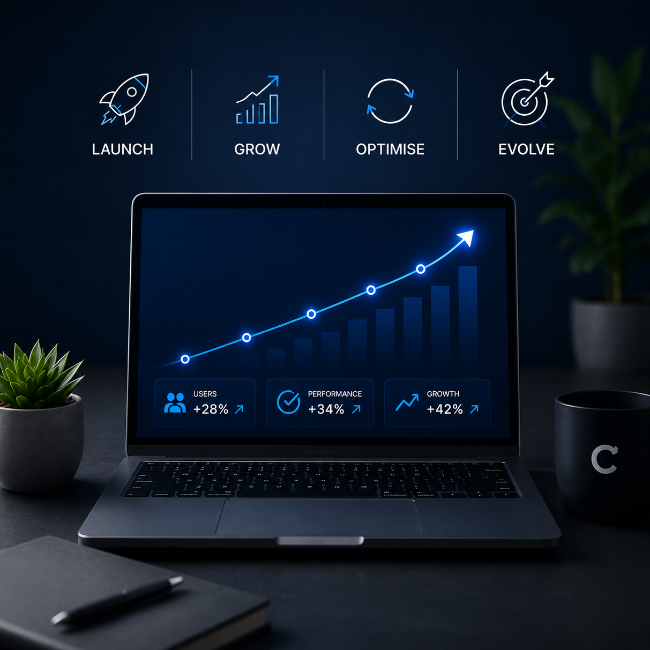
Today, effective marketing leadership resembles product thinking. Rather than viewing activity as a sequence of campaigns, leaders treat marketing assets, platforms and customer journeys as evolving products. Ownership replaces handovers, iteration replaces one-off delivery, and performance becomes cumulative rather than episodic.
Product thinking encourages continuous improvement.
Websites are not launched and left. Campaign platforms are refined based on performance insight. Messaging evolves through testing rather than wholesale reinvention. This approach reduces waste and strengthens consistency over time.
This shift also changes accountability. Instead of measuring success solely by short-term spikes, marketing leaders evaluate how activity contributes to long-term growth, efficiency and brand equity. The focus moves from isolated wins to sustained performance.
Collaboration becomes more integrated under this model.
Creative, digital and technical teams work together from the outset, ensuring ideas are designed for performance and scalability. Feedback loops shorten, and improvements are implemented more quickly.
Product-style thinking also improves alignment with wider business objectives. Marketing activity connects more directly to operational systems, customer data and commercial outcomes. This reduces disconnect between brand ambition and delivery capability.
For agencies, operating within this mindset strengthens partnership.
Strategy, execution and optimisation sit within a continuous relationship rather than discrete project phases. Insight informs iteration, and performance improves progressively.
Marketing leadership that adopts product thinking builds assets that compound in value. Instead of restarting with each campaign cycle, businesses create systems that improve over time. The result is more sustainable growth and greater strategic confidence.
Speak to Clevercherry about adopting a product-led approach to marketing strategy, delivery and long-term performance.
Return to blogMore from the blog
 16th June 2026
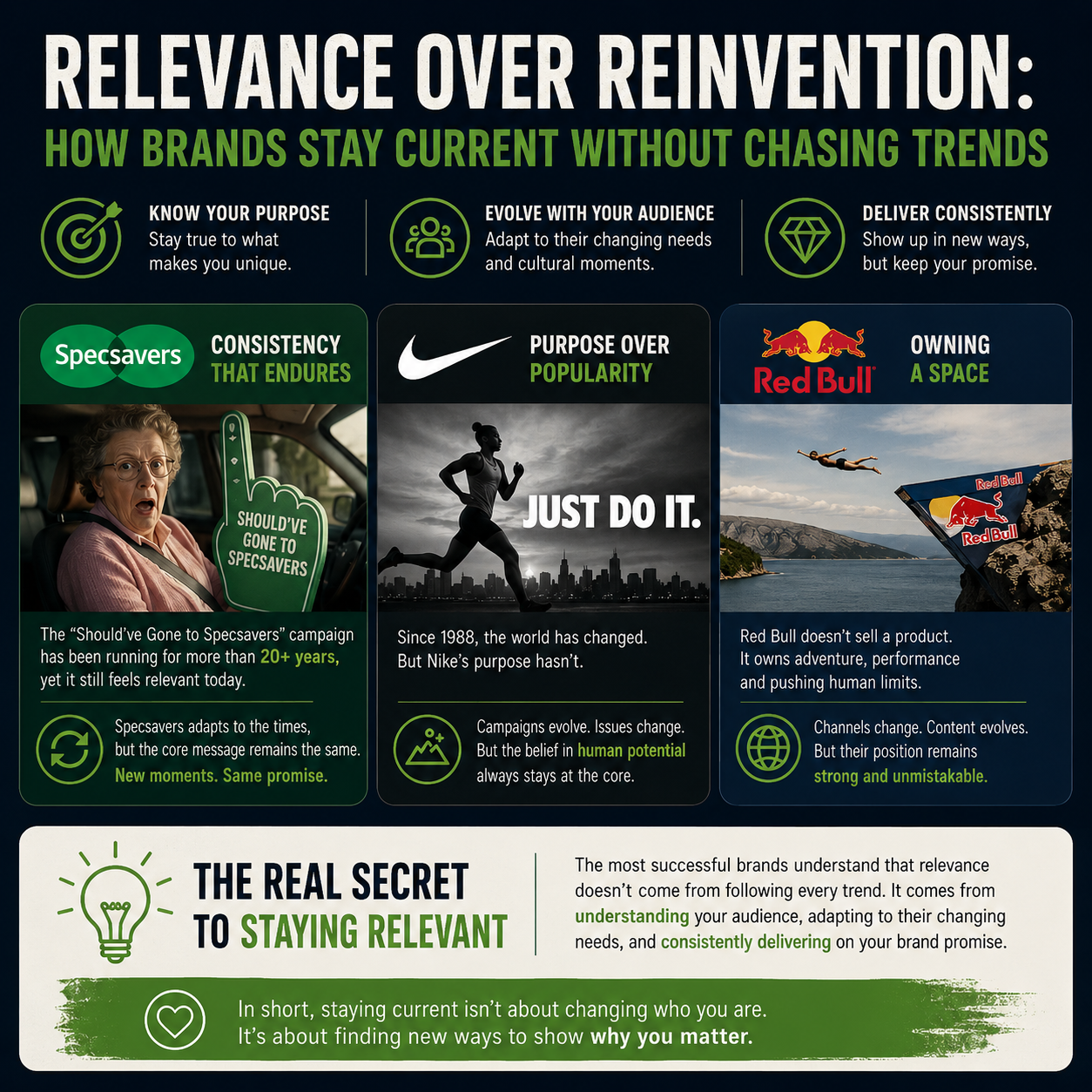
Relevance Over Reinvention: How Brands Stay Current Without Chasing Trends
 21st May 2026
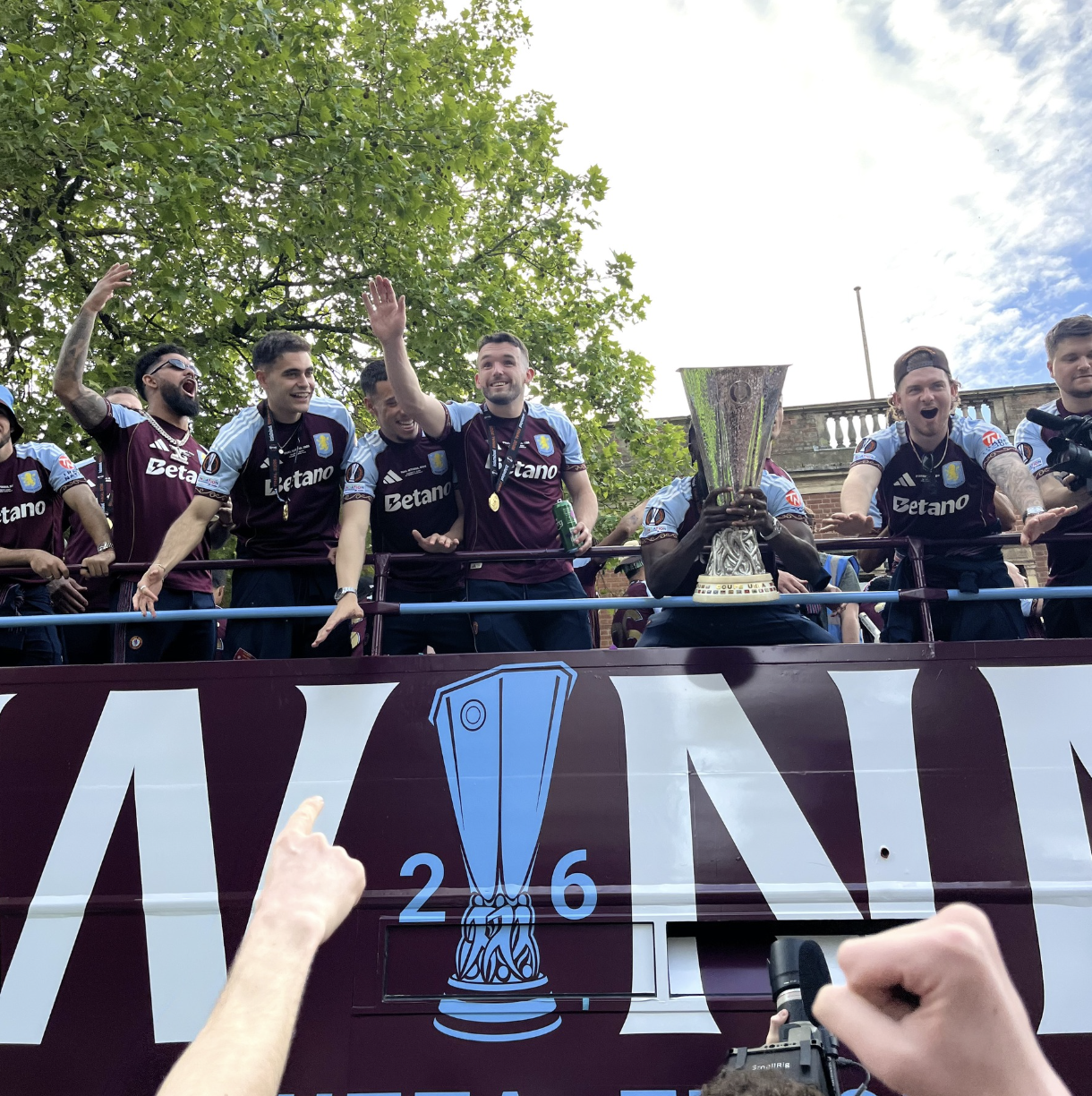
Birmingham Comes Alive for Villa’s Historic Europa League Victory
 20th April 2026
We’re Seeing a New Type of Phishing Enquiry Targeting WordPress Sites
 30th March 2026