
Slow search and analytics can kill user experience.
In today's fast-paced digital world, users expect instantaneous results. Whether they're searching for a product on an e-commerce site or analysing a huge dataset for business intelligence, every millisecond of waiting can lead to frustration and a poor user experience. This is where Elasticsearch comes in. More than just a simple database, it is a distributed, real-time search and analytics engine that has become the backbone for high-performance applications. Let's explore how this powerful tool can help you unlock new levels of speed and efficiency.
What is Elasticsearch and Why Do You Need It?
At its core, Elasticsearch is a search engine built on top of Apache Lucene. Unlike traditional relational databases that are optimised for structured data and transactional operations, Elasticsearch is designed for full-text search and real-time analytics. It works by using an inverted index, a data structure that maps words to the documents they appear in. This allows it to find relevant results in milliseconds, even across petabytes of data.
Think of it this way: a traditional database is like a book's table of contents, telling you which pages contain which chapters. An inverted index is like the book's index at the back, listing every word and every page number where that word appears. This makes finding specific information incredibly fast.
Beyond Search: Key Use Cases
While its primary function is search, Elasticsearch’s versatility makes it valuable for a variety of tasks:
- Application Search: Powering the search bar on an e-commerce website, a content management system, or a knowledge base. Features like autocomplete, fuzzy search, and faceted navigation are made simple and efficient.
- Log and Event Analysis: The "E" in the popular ELK Stack (Elasticsearch, Logstash, Kibana). It provides a centralised location to store and analyse huge volumes of log data, enabling DevOps teams to monitor system health, detect anomalies, and troubleshoot issues in real time.
- Business Analytics and BI: For businesses that need to analyze data on the fly, Elasticsearch's powerful aggregation framework allows for complex calculations, filtering, and reporting on large datasets in a near-instantaneous manner.
The Power of a Distributed Architecture
One of Elasticsearch's greatest strengths is its ability to scale horizontally. A single Elasticsearch instance can be a powerful tool, but it's designed to run as a cluster of multiple servers, or nodes. This distributed nature means it can easily handle massive data volumes and high query loads. Data is automatically sharded (split into smaller pieces) and replicated across nodes, ensuring high availability and fault tolerance. This means that even if a node fails, your application remains online and your data is safe.
Conclusion
Elasticsearch is an essential tool for any developer looking to build fast and scalable applications. Its ability to provide real-time search, powerful analytics, and robust scalability sets it apart from traditional solutions. It's not a replacement for your primary database, but rather a powerful companion that supercharges your application's most critical functions. I hope this gives you a great starting point! Let me know if you would like to explore a deeper dive into any of the specific use cases, such as log analysis or faceted search, or if you'd like to look at a code example of how to get started.
Get in touch with Clevercherry today to discover how Elasticsearch can enhance your website’s search performance, data insights, and scalability — helping your business deliver faster, smarter digital experiences.
Return to blogMore from the blog
 20th October 2026
Behind the Scenes of Our 'Really?' Campaign with West Midlands Police
 16th June 2026
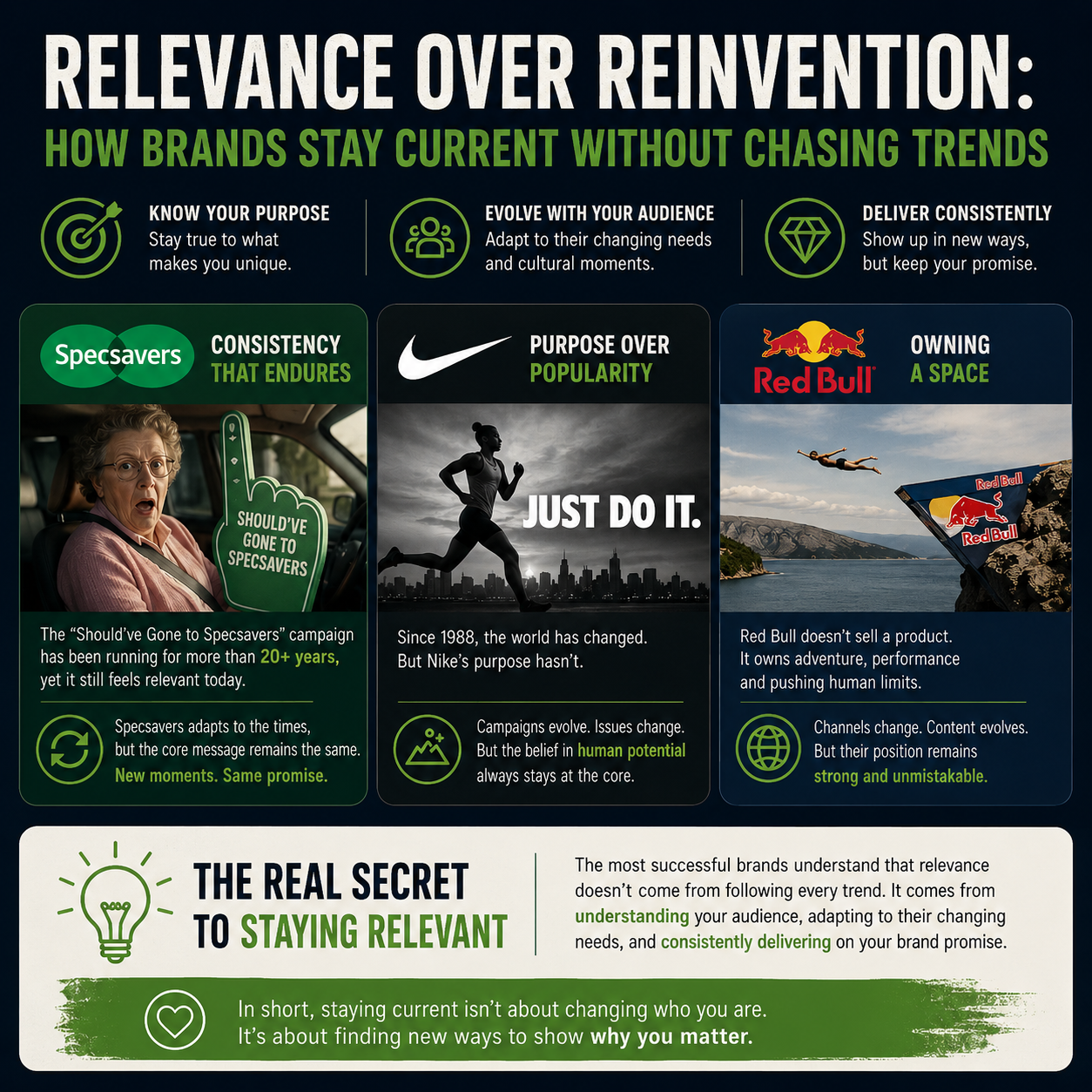
Relevance Over Reinvention: How Brands Stay Current Without Chasing Trends
 21st May 2026
Birmingham Comes Alive for Villa’s Historic Europa League Victory
 20th April 2026